The digital marketplace has reached a critical evolutionary tipping point. In the early days of corporate web development, simply having an online presence—a static page detailing hours of operation and a list of services—was enough to outpace the competition. Later, standard templates leveled the playing field, allowing anyone to deploy a basic site in an afternoon. But today, consumer behavior has grown deeply sophisticated, and search engine algorithms are intensely localized.
The trending paradigm in digital engineering focuses heavily on micro-moments—those intent-rich instances when a user turns to a device to act on a need to know, go, buy, or do. For local and regional businesses, capturing these moments requires an intricate balance of local search optimization, stunning visuals, and ultra-fast, accessible user experiences.
1. The Death of the Generic Layout: Designing for Minimalist Clarity
When a user visits a site with a specific intent, clutter acts as a psychological barrier. Modern visual trends lean decisively toward clean typography, structured geometry, and bold use of whitespace.
By removing unnecessary decorative elements, web developers draw the eye directly to the business value proposition. This intentional minimalism ensures that critical data—such as structural pricing, customer validation metrics, or direct appointment pathways—commands immediate focus without overwhelming the viewer.
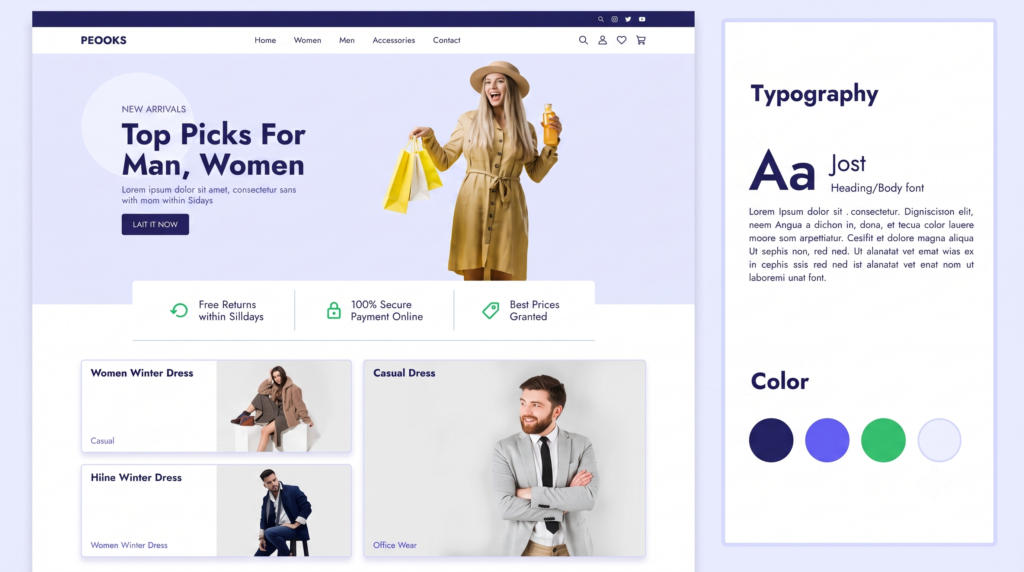
As shown above, modern design eliminates distracting background noise. Instead, it relies on strict typographic hierarchies and deliberate spatial groupings to guide a consumer’s eyes to strategic conversion areas.
2. Hyper-Local SEO Architecture: Winning the Regional Battleground
Search engines have drastically altered how they serve results. A consumer looking for a specialized service doesn’t want broad, national results; they need immediate, geographically relevant solutions. Building a site that commands authority in a specific region requires a specialized technical structure.
The Anatomy of a Localized Landing Page
A truly high-converting, local landing page needs to organically weave regional relevance into its technical fabric. This includes embedding schema markup (structured data that tells search engines exactly what your business does and where you are located), setting up location-specific content blocks, and integrating interactive maps that load asynchronously without dragging down page performance.
When you seamlessly match localized keyword intent with a pristine user experience, search engines reward the domain with premium exposure in local map packs and organic search placements.
3. Engineering for Velocity: Speed as a Core Value Metric
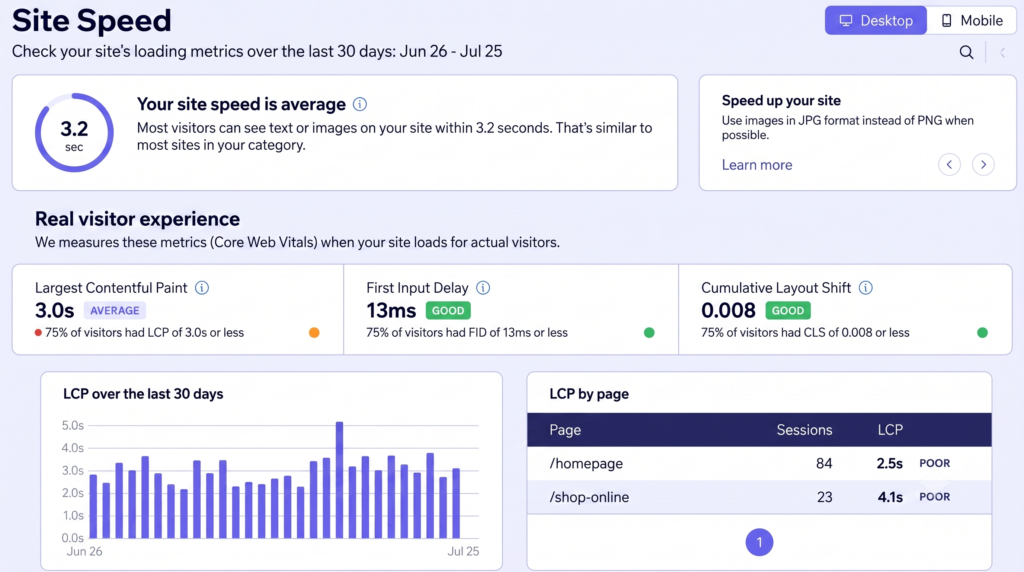
A beautiful design means very little if your audience bounces before the page finishes rendering. Modern web performance metrics, specifically Google’s Core Web Vitals, actively measure real-world user experience data.
Three critical metrics dictate whether your digital platform retains traffic or actively drives it away:
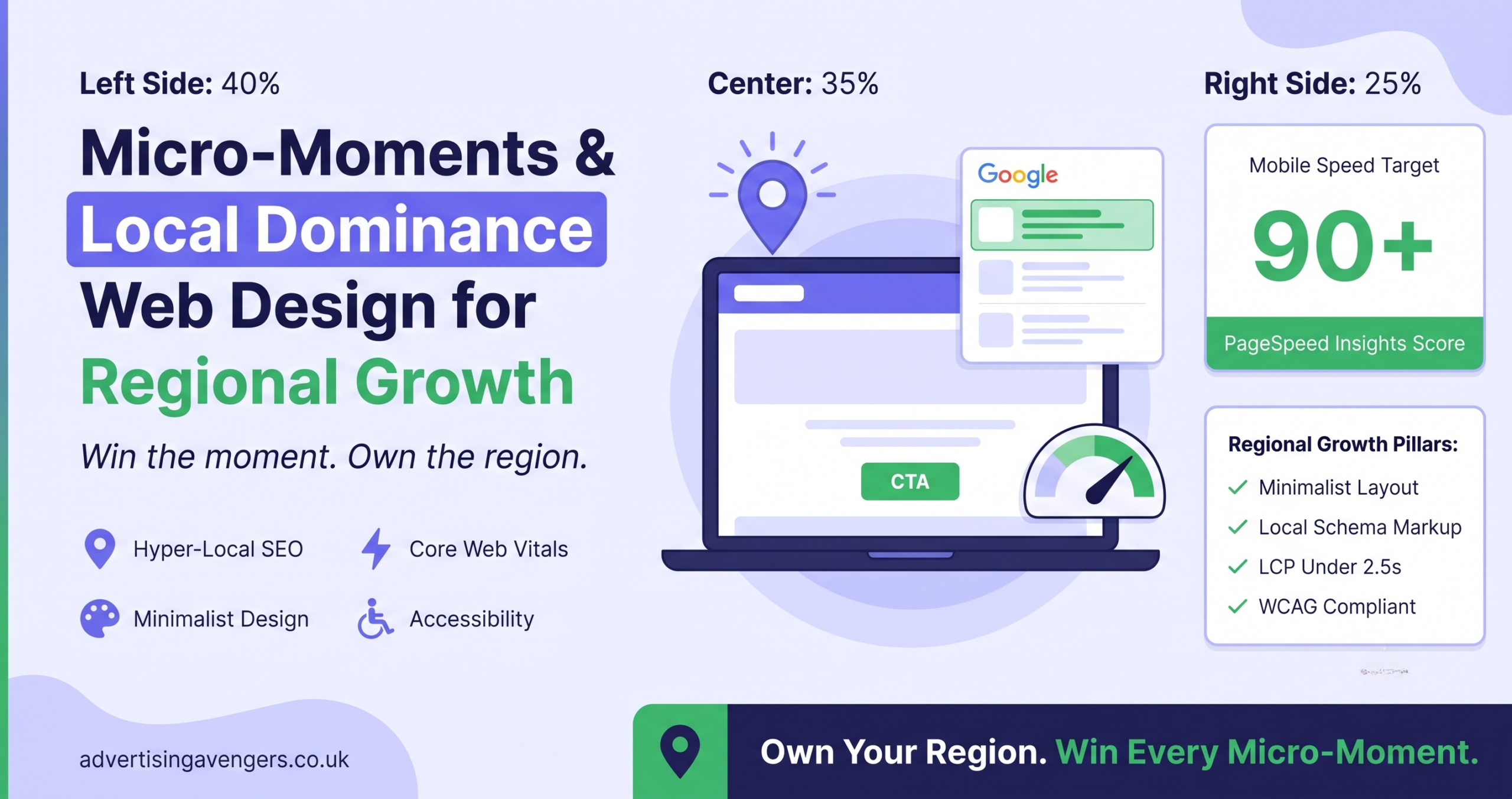
- Largest Contentful Paint (LCP): Measures how fast the main visual elements render. Ideally, this should happen in less than 2.5 seconds.
- Interaction to Next Paint (INP): Tracks the user interface responsiveness when a visitor clicks a button or opens a menu.
- Cumulative Layout Shift (CLS): Measures unexpected visual movement as elements load. A shifting layout frustrates users and lowers trust instantly.
Achieving optimal performance requires deep asset optimization, utilizing modern image formats like WebP or AVIF, leveraging server-side rendering, and eliminating bloated script code that delays browser processing times.
4. Accessibility and Universal Design Compliance
True design empathy ensures that a site functions perfectly for every single visitor, including those utilizing assistive technologies. Web Content Accessibility Guidelines (WCAG) are no longer optional guidelines—they are the modern operational standard.
Creating a fully compliant interface involves maintaining strict color contrast ratios, providing explicit keyboard focus states for individuals navigating without a mouse, and organizing structural HTML elements so screen readers can interpret information logically. When a site treats accessibility as a foundational development pillar rather than an afterthought, it improves usability across the board, lowers bounce rates, and signals maximum credibility to search crawlers.
5. Partnering with Regional Experts to Scale with Intent
Creating a high-performance web asset requires a combination of artistic vision, search engine optimization strategy, and strict engineering discipline. For enterprises trying to capture specific high-value regional markets, off-the-shelf automation software cannot replace the nuanced execution provided by an elite agency team.
If your objective is to completely dominate your regional digital space, partnering with an award-winning team like Ankit Designs bridges the gap between technical complexity and business growth. A dedicated local partner understands the distinct demographic profile of your regional base, building bespoke platforms that pair high-end aesthetics with flawless technical execution. From advanced custom theme development to localized lead-generation pipelines, professional intervention ensures your site operates as a highly productive revenue generator.
Technical Audit Framework for Regional Brands
Before launching a comprehensive redesign or entering a new market segment, benchmark your current digital property against these critical performance targets:
| Structural Variable | Industry Target | Strategic Impact |
| Mobile Speed Score | 90+ on PageSpeed Insights | Directly influences organic mobile search visibility and ad performance. |
| First Input Delay | Under 100 Milliseconds | Establishes immediate perceived system responsiveness upon interaction. |
| Semantic Structure | 100% Validated HTML5 | Enables flawless parsing by indexers and screen readers alike. |
| Local Schema Integration | Complete Geo-Coordinates | Pinpoints physical service areas for map-based discovery algorithms. |
The Friction Factor: Every single millisecond of delay in your page response time correlates directly to a drop in consumer conversion rates. Speed isn’t just a technical specification—it is a core sales metric.
The future of digital growth belongs to companies that respect their audience’s time, accessibility needs, and intent. By moving away from bloated templates, optimizing for intense local search visibility, and ensuring your mobile platform functions with lightning-fast efficiency, you transform a generic internet destination into an authoritative, scalable business engine.