
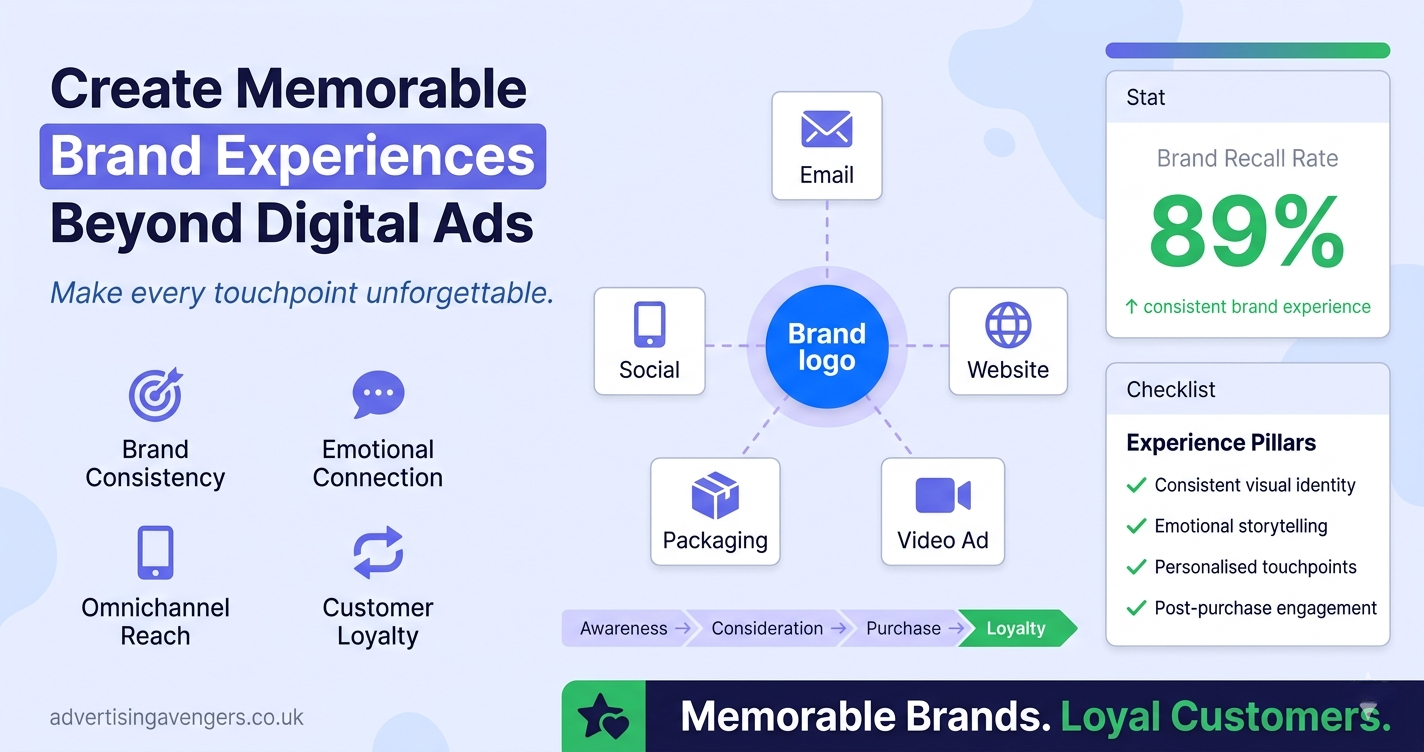
In today’s marketing industry, consumers are constantly exposed to online promotions, sponsored posts, and targeted messages. With so many brands competing for attention across multiple platforms, capturing interest for a few seconds is no longer enough. Businesses that want to build lasting relationships must focus on creating meaningful interactions that customers remember long after the initial encounter. This post examines focus on emotional connections, creating multi-sensory experiences, and more.
Focus on Emotional Connections
At the heart of every memorable brand interaction is emotion. People tend to remember experiences that make them feel something-whether that emotion is excitement, appreciation, curiosity, or inspiration. Brands that successfully create emotional connections often stand out in crowded markets.
Storytelling is one of the most powerful ways to build this connection. Instead of focusing solely on product features, companies can share the story behind their brand, highlight the people who create their products, or showcase how their offerings improve customers’ lives. When customers see themselves reflected in a brand’s story, they are more likely to form a lasting bond with it.
Authenticity also plays a key role. Consumers today are highly aware of marketing tactics and can easily recognize when messaging feels forced or insincere. Brands that communicate honestly and consistently build trust, which makes their interactions far more memorable.
Create Multi-Sensory Experiences
Digital advertising is primarily visual and sometimes auditory. However, the most impactful brand experience often involves multiple senses. When people can touch, use, or interact with something physically connected to a brand, the memory becomes much stronger.
This is why tangible brand materials remain powerful marketing tools. Promotional items that people use in their daily routines keep a brand visible long after an event or campaign ends.
For example, items like notebooks, tote bags, and branded mugs can integrate naturally into someone’s workspace or home environment. Each time the item is used, it reinforces brand recognition and familiarity.
Turn Marketing into Experiences
Many companies still treat marketing as a series of campaigns designed to push messages outward. However, the most successful brands approach marketing as an experience that customers can actively participate in.
Experiential marketing strategies allow audiences to interact directly with a brand rather than passively viewing advertisements. These experiences can take many forms, including pop-up shops, product demonstrations, interactive events, or workshops that teach customers something valuable.
Personalization Makes Experiences Feel Unique
Another powerful strategy for creating lasting brand impressions is personalization. Customers appreciate brands that recognize their preferences and tailor experiences accordingly. Personalized interactions demonstrate that a company understands its audience and values individual relationships.
This can be achieved in several ways. Personalized email campaigns, customized product recommendations, and tailored event invitations are all examples of how brands can make interactions feel more personal.
Even small details can have a significant impact. Addressing customers by name, remembering their past purchases, or offering exclusive promotions based on their interests can transform an ordinary transaction into a thoughtful interaction.
When people feel recognized and valued, they are more likely to remember the brand and return to it in the future.
Bridge the Gap Between Online and Offline Engagement
Digital marketing is an essential part of modern business strategies, but relying on it alone can limit the depth of customer engagement. Brands that successfully build lasting impressions often combine digital and physical interactions to create a more cohesive experience.
For instance, a company might promote an event through social media and email campaigns while offering in-person activities that deepen engagement. Customers who attend the event may receive physical merchandise or exclusive access to additional online content.
Similarly, physical products can direct customers back to digital platforms. QR codes printed on promotional items or packaging can lead users to tutorials, special offers, or interactive content. This integration creates a continuous loop of engagement across multiple channels.
Encourage Community Participation
Memorable brands often build communities around their products or values. Community engagement strengthens emotional connections and encourages customers to feel like they are part of something larger than a typical buyer-seller relationship.
Brands can cultivate communities through social media groups, membership programs, or ambassador initiatives that encourage loyal customers to share their experiences. These programs help turn satisfied customers into enthusiastic advocates who spread the brand’s message organically.
Use Consistency to Strengthen Recognition
Consistency is another important factor in creating memorable experiences. Every interaction a customer has with a brand should reinforce the same identity and values. Consistent visual design, tone of voice, and messaging make a brand easier to recognize and remember. When customers encounter the same style and personality across multiple touchpoints, the brand becomes more familiar and trustworthy.
Consistency also extends to the quality of experiences. Whether a customer interacts with a brand online, in a store, or through customer support, the experience should reflect the same level of care and professionalism.
Measure and Improve Engagement Efforts
Creating meaningful brand interactions is an ongoing process that requires evaluation and refinement. Businesses should regularly analyze the effectiveness of their initiatives to understand what resonates most with their audiences.
Metrics such as event attendance, customer feedback, engagement rates, and repeat purchases can provide valuable insights into the success of various strategies. Surveys and reviews can also reveal how customers perceive the brand’s efforts and where improvements might be needed.
By studying these insights, businesses can refine their approach and focus on experiences that generate the strongest emotional responses and long-term loyalty. A willingness to adapt and improve ensures that brand experiences remain fresh, relevant, and engaging over time.
Invest in Long-Term Relationships
Ultimately, the goal of creating memorable interactions is to build relationships that last beyond a single purchase. Brands that prioritize long-term connections tend to enjoy loyalty and higher customer lifetime value.
This means focusing not only on acquiring new customers but also on nurturing existing relationships. Loyalty programs, appreciation campaigns, and personalized follow-ups can help maintain these connections long after the initial interaction.
Endnote
In an environment where consumers encounter countless promotions every day, the brands that stand out are those that focus on meaningful interactions rather than short-term visibility. By building emotional connections, companies can create powerful brand moments that audiences remember and share long after the first interaction.